
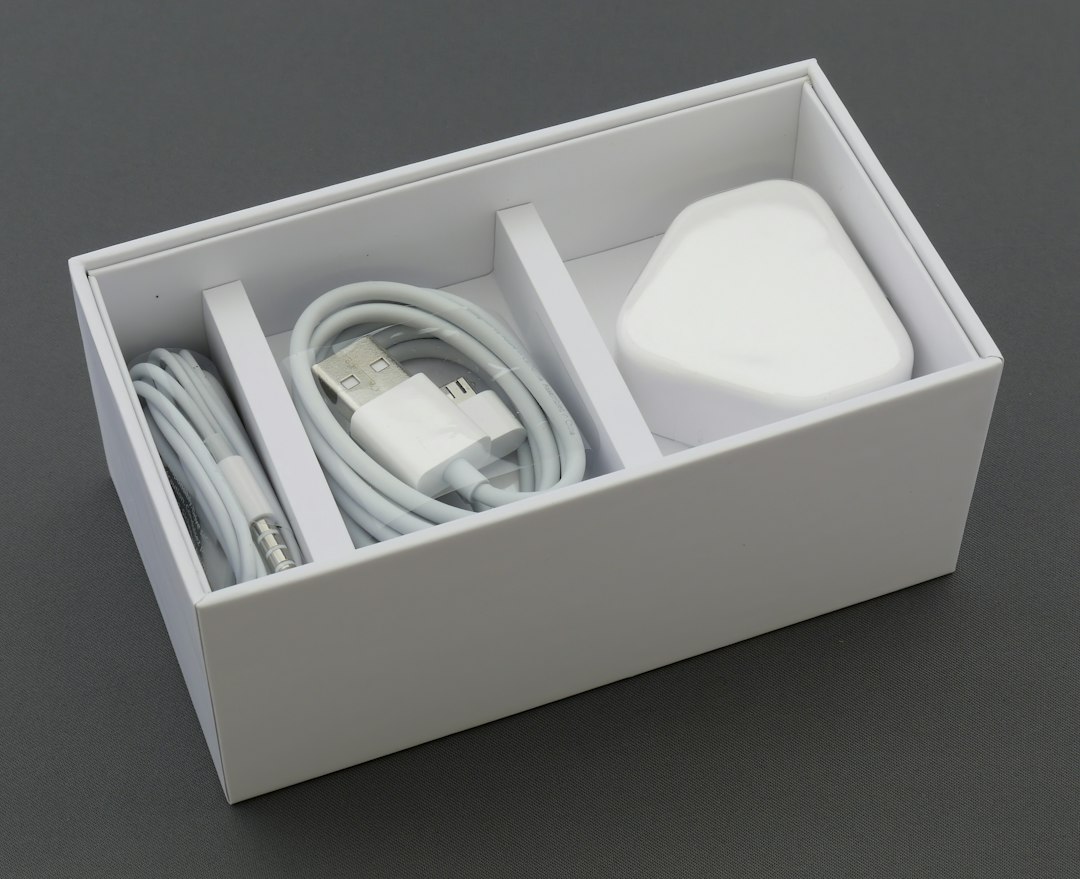
How to Choose the Best Charger for Your Needs
In today’s fast-paced world, having the right charger is essential for keeping your devices powered…
In today’s fast-paced world, having the right charger is essential for keeping your devices powered and ready to go. With the rise of various charging technologies and the multitude of devices we use daily, selecting the best charger can be a daunting task. This guide aims to simplify the process by breaking down the key factors to consider when choosing a charger, ensuring you make an informed decision that meets your specific needs.
Understand Your Device’s Requirements
The first step in choosing the best charger is to understand the power requirements of your device. Different devices have varying voltage and amperage needs, which can affect charging speed and efficiency. For instance, smartphones typically require a lower voltage compared to laptops, which may need a higher wattage charger to charge effectively. Always check the manufacturer’s specifications for your device to ensure compatibility with the charger you intend to purchase.
Additionally, consider the charging technology your device supports. Many modern devices utilize fast charging technologies such as Qualcomm Quick Charge or USB Power Delivery. These technologies allow for quicker charging times but require compatible chargers. Investing in a charger that supports your device’s fast charging capability can significantly reduce downtime and enhance your overall user experience.
Evaluate Charging Speed and Efficiency
Charging speed is a crucial factor when selecting a charger, especially for those who are always on the go. Chargers are rated in watts, and the higher the wattage, the faster the charging speed. For example, a 20W charger will charge your device more quickly than a 5W charger. However, it’s essential to match the charger’s output with your device’s input capacity to avoid potential damage or inefficiency.
Moreover, consider the efficiency of the charger. Some chargers may have high wattage but can be inefficient, leading to wasted energy and longer charging times. Look for chargers that are certified for energy efficiency, as they not only save you time but also reduce energy consumption, making them a more environmentally friendly option.
Portability and Design Considerations
When choosing a charger, portability is another important aspect to consider, especially for those who travel frequently. Compact and lightweight chargers are ideal for slipping into a bag or pocket without adding bulk. Many brands offer foldable prongs or detachable cables, which can further enhance portability and convenience.
Additionally, consider the design of the charger. A well-designed charger not only looks good but also provides functionality. Features such as built-in cable management or multiple ports can be beneficial for users with multiple devices. A charger that can accommodate several devices at once can save you from carrying multiple chargers, streamlining your travel experience.
Safety Features and Brand Reputation
Safety should never be overlooked when selecting a charger. Look for chargers that come equipped with safety features such as over-voltage protection, short-circuit protection, and temperature control. These features help prevent damage to your devices and ensure safe charging practices. Brands that prioritize safety often have certifications from recognized organizations, which can provide peace of mind when making a purchase.
Furthermore, consider the reputation of the brand. Established brands often have a track record of producing reliable and safe charging accessories. Reading customer reviews and ratings can provide insight into the performance and durability of the charger. Investing in a reputable brand may cost a bit more upfront but can save you from potential issues down the line.
Step-by-step plan:
Step 1: Identify your device’s power requirements and charging technology. Step 2: Compare charging speeds and efficiency ratings of different chargers. Step 3: Assess the portability and design features that suit your lifestyle. Step 4: Research safety features and brand reputation before making a final decision.